From Adana to Tabriz: One Skewer, Five Regional Kababs You Can Make at Home
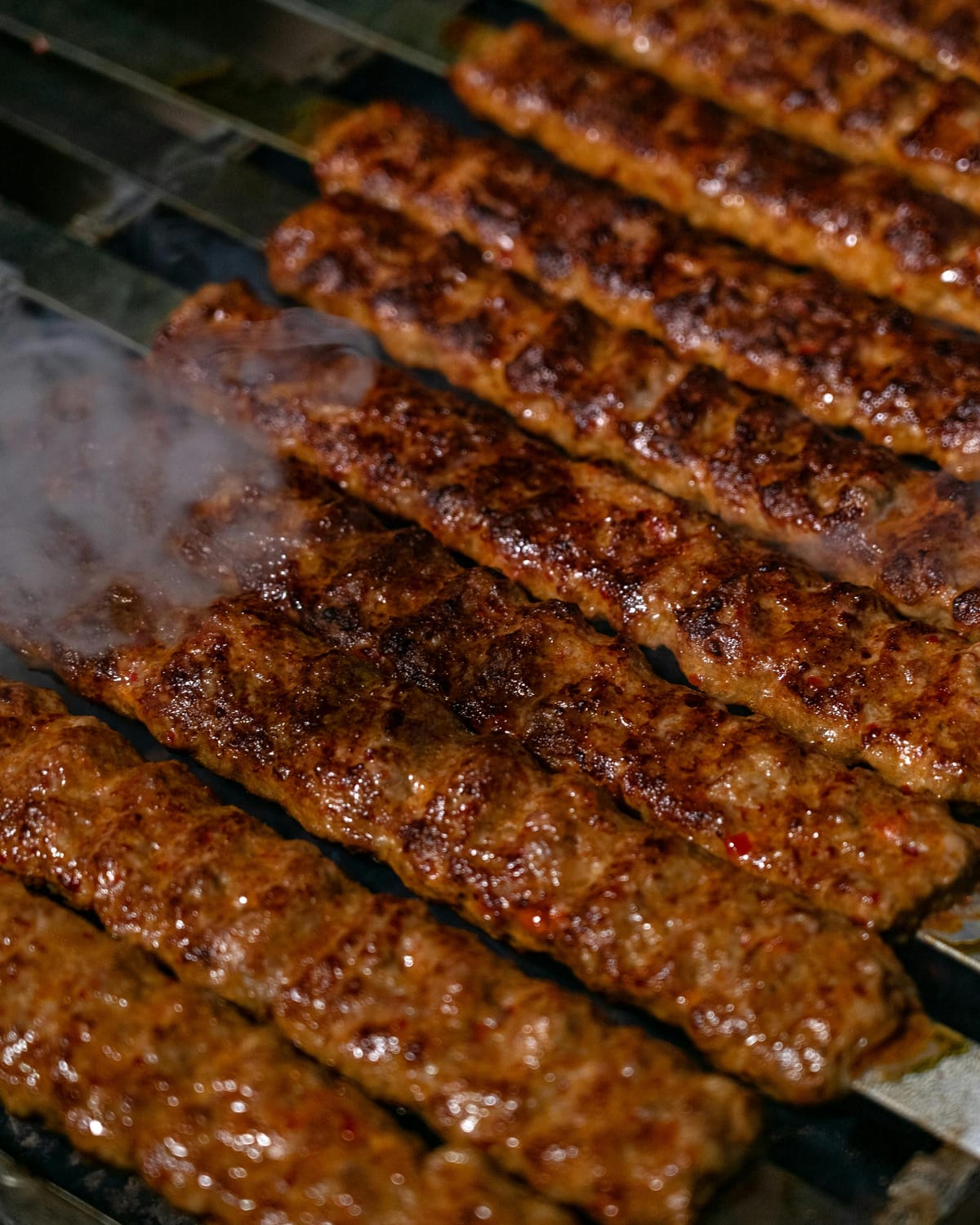
The kabab world is wider than most home cooks realize. Walk from Istanbul to Tehran along the kabab belt and you'll pass through at least a dozen distinct traditions, each with its own meat, spice profile, and serving ritual — but almost all of them using the same fundamental tool: a flat steel skewer, about an inch wide, long enough to span a charcoal mangal.
If you've already invested in a set of Persian skewers, you're not locked into one style. Five regional kababs, each cooked the exact same way, each with a different identity. The skewer doesn't change. The recipe does.
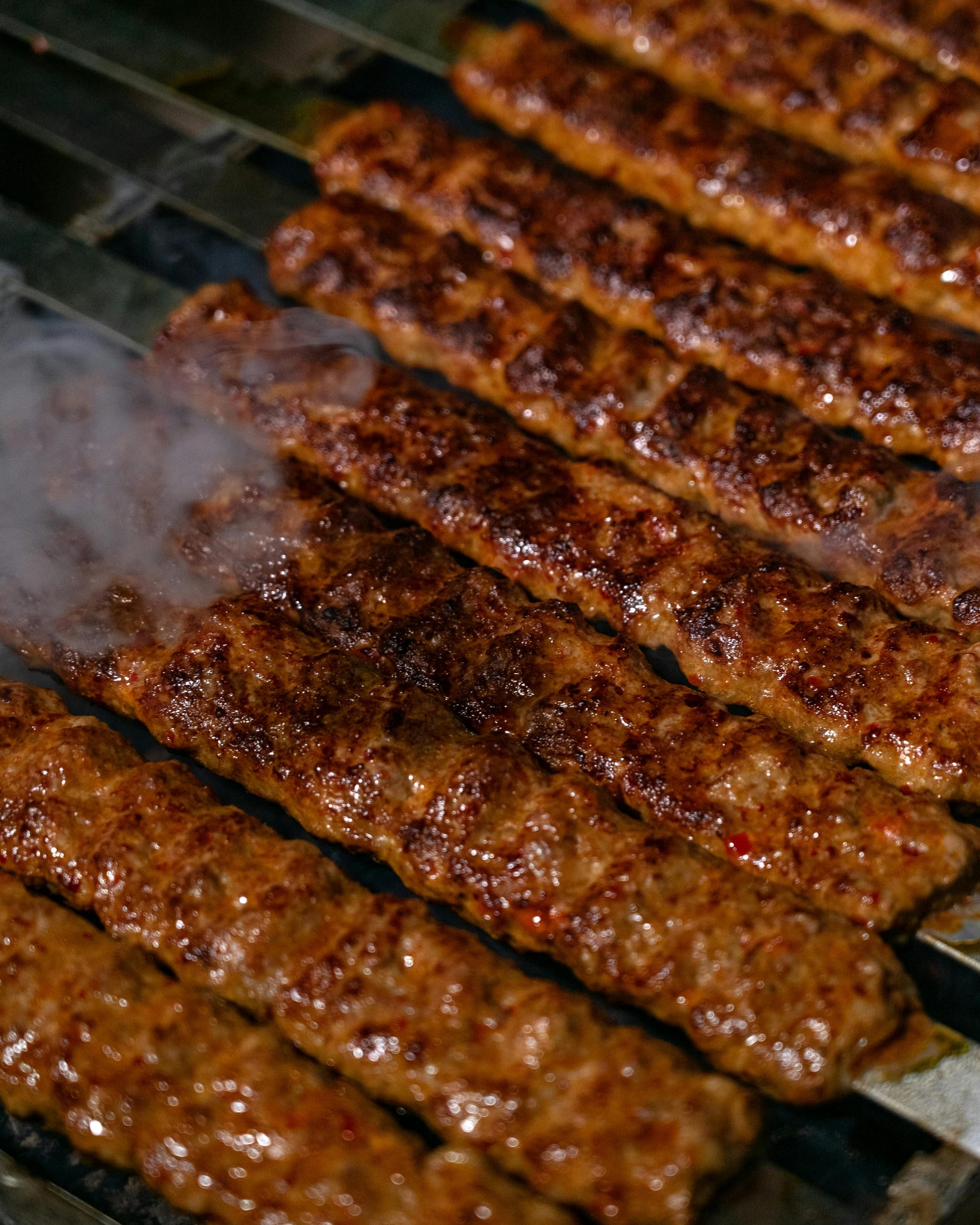
1. Persian Koubideh (Tehran / central Iran)
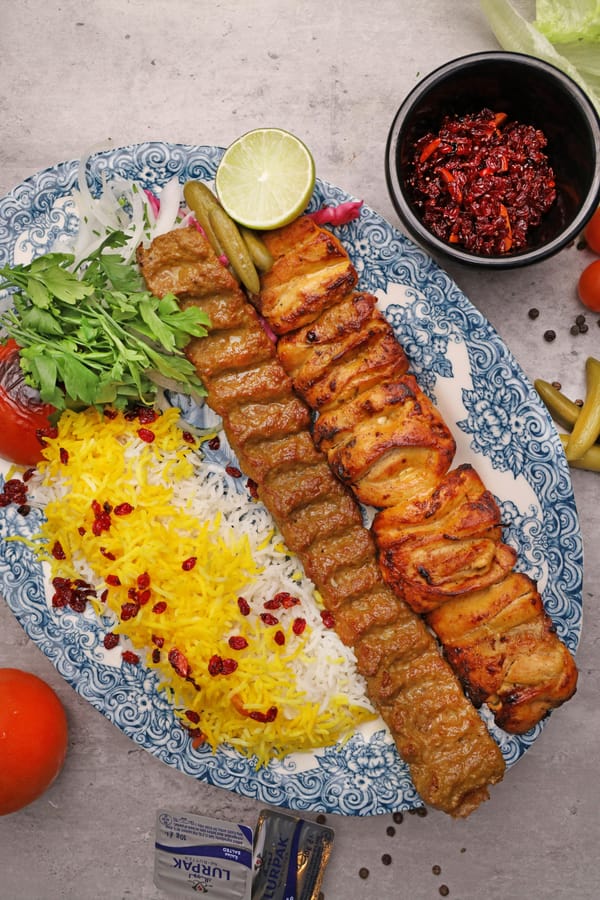
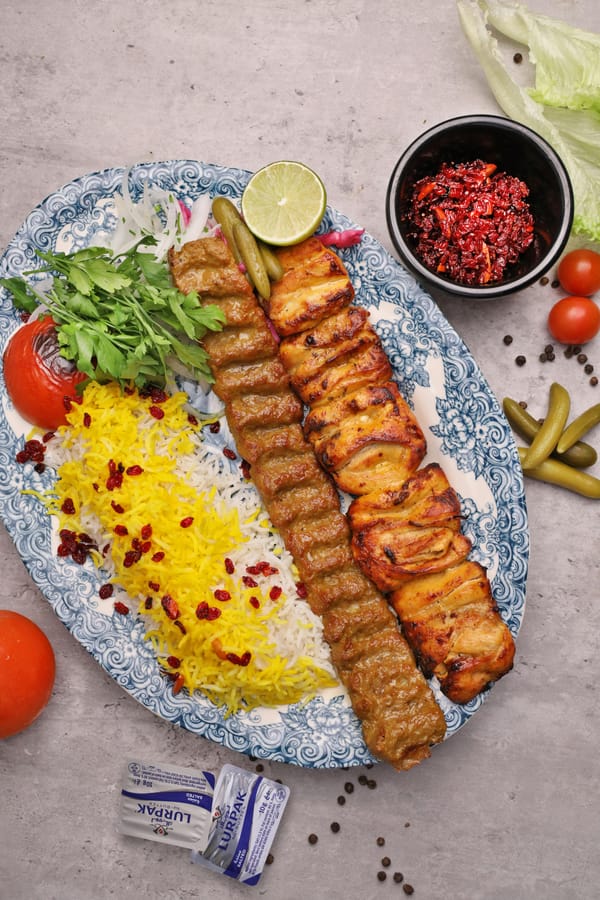
The one we keep coming back to. Ground lamb (sometimes lamb-beef mix), grated onion, salt, pepper, turmeric. No garlic. No cumin. Almost no spice beyond salt and pepper — the meat and onion are supposed to taste like themselves.
- Meat: 80/20 lamb shoulder, single grind
- Onion ratio: 1 onion per pound of meat
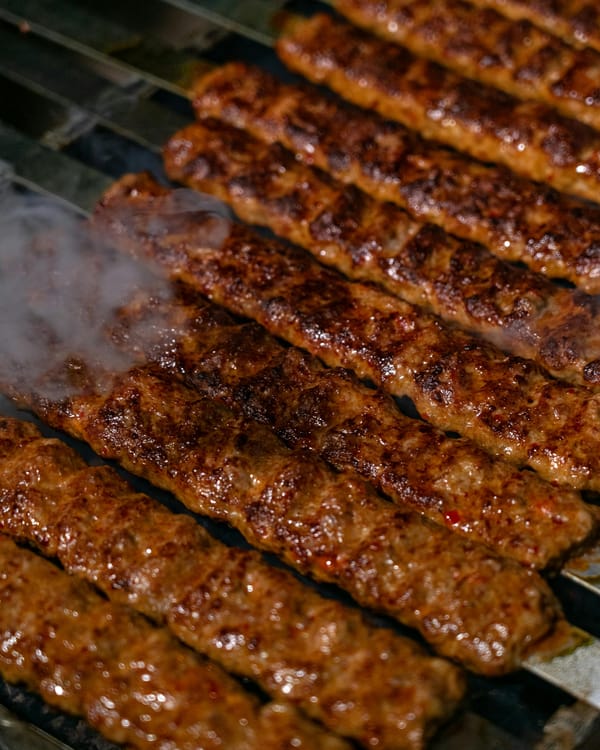
- Signature: the kabab ridges, made by pinching the meat every inch along the skewer
- Serve with: chelo (saffron rice), grilled tomato, raw onion, sumac, butter
2. Tabrizi Koubideh (northwestern Iran, Azerbaijani influence)
The peppery, chili-forward cousin. Thicker than Tehrani Koubideh, more onion, more fat, and a clear hit of Aleppo or Marash chili flake. The kabab houses of Tabriz are known for serving these with a single piece of grilled tomato and an entire side plate of raw white onion that you're expected to eat with the meat.
- Meat: 70/30 lamb, double grind
- Onion ratio: nearly 1:1 with meat
- Spice: 1+ tbsp Aleppo flake per pound, plus extra black pepper and sumac
- Serve with: sangak bread, raw white onion, sumac, butter, lime
3. Adana Kebabı (southeastern Turkey)
Cross the border into Turkey and the same skewer carries a slightly different beast. Adana kebab uses hand-minced lamb (not ground — the Adana butcher's knife is famous) with red pepper paste (biber salçası), Maraş pepper, and parsley. Thicker and longer than Koubideh, often served on the skewer at the table.
- Meat: hand-minced or coarse-ground lamb, 30% fat
- Distinctive add: 1 tbsp Turkish red pepper paste per pound
- Spice: Maraş pepper, salt, cumin (a small pinch)
- Serve with: grilled long peppers, raw onion + sumac, lavaş bread, charred tomato
Try this with our standard Koubideh recipe but swap turmeric for the red pepper paste and add cumin.
4. Kafta / Kefta (Lebanon, Syria, Jordan)
The Levantine entry. Beef or lamb with chopped parsley, onion, and a hit of seven-spice (allspice, black pepper, cinnamon, cloves, nutmeg, coriander, cumin). The parsley is critical — it should be visible as green flecks throughout the meat. Often grilled and tucked into pita with pickled turnips.
- Meat: beef or beef-lamb mix, 75/25
- Distinctive add: 1 cup finely chopped parsley per pound, 1 tsp seven-spice
- Serve with: pita, tahini sauce, pickled vegetables, fresh tomato-cucumber salad
5. Shish Tawook / Joojeh (everywhere)
The chicken family. Persian Joojeh and Levantine Shish Tawook are closer cousins than people admit — both marinate boneless thigh in yogurt, lemon, and garlic, sometimes with saffron (Persian) or seven-spice (Levantine). Both go on the same flat skewer. The Persian version is brighter and more saffron-forward; the Levantine version leans on garlic and warm spice.
- Meat: boneless skinless chicken thigh, cubed large (2" pieces)
- Persian marinade: yogurt, saffron, lemon, onion, salt — 4+ hours
- Levantine marinade: yogurt, garlic, lemon, 7-spice, paprika — 4+ hours
What stays the same across all five
- The skewer: flat, 25 mm wide, 600 mm long, stainless steel
- The heat source: real charcoal, never gas
- The technique: don't move it once it's on the fire — 90 seconds, flip, 90 seconds, flip
- The serving: meat off the skewer onto bread or rice, never on the bone
The point
One investment — a set of six proper flat skewers — gets you access to a continent's worth of cooking. You're not buying a single-recipe tool. You're buying the foundation of a regional repertoire that spans five countries and a thousand years of cooking history.
One skewer set. Five regions. A lifetime of dinners.
Make the investment once. We did.
See the Arta skewer set →