The Arta Story: Why an Iranian-American Family Built Their Own Persian Skewers
We didn't set out to start a kitchen brand. We just wanted to buy good skewers.
The frustration
Picture it: Friday afternoon, lamb in the fridge, charcoal on the porch, family coming over. You go to Amazon to order replacement skewers because last year's set bent or broke or got lost. You search "Persian kabob skewers."
You get 80 listings. Every single one of them has "Persian" or "Brazilian" or "Turkish" in the title. None of them are. They're all manufactured in factories that don't know what koubideh is. The reviews are all the same: "meat fell off," "skewers bent," "handle came loose."
You scroll. You scroll more. You give up, buy the least bad option, and load the meat anyway. Half of it ends up in the coals.
The realization
This wasn't an Amazon problem. It was a brand problem.
The Iranian-American diaspora is huge — hundreds of thousands of families in California, Texas, New York, Toronto, Vancouver. We all cook Persian food at home. None of us had a real Persian kitchen brand to buy from.
The brands that do exist sell off-Amazon (specialty Persian retailers in LA and DC), at premium prices, with no national distribution. The brands on Amazon faking "Persian" identity were Chinese-origin factories using a keyword.
The gap was obvious. Someone should build a real Persian kitchen brand for the diaspora. We decided that someone was us.
Who we are
Family. Persian-American. We've been cooking the food our parents made since we were old enough to stand at the stove. We grew up at the table — koubideh on Friday, ghormeh sabzi on Sunday, Nowruz haft-sin in the spring. Cooking is how we connect to where we came from.
We're not chefs. We're not factory operators. We're the people who buy Persian kitchen tools and use them — which means we know exactly what's wrong with what's on the market, because we've owned it.
What we made first
The skewers. Of course the skewers.
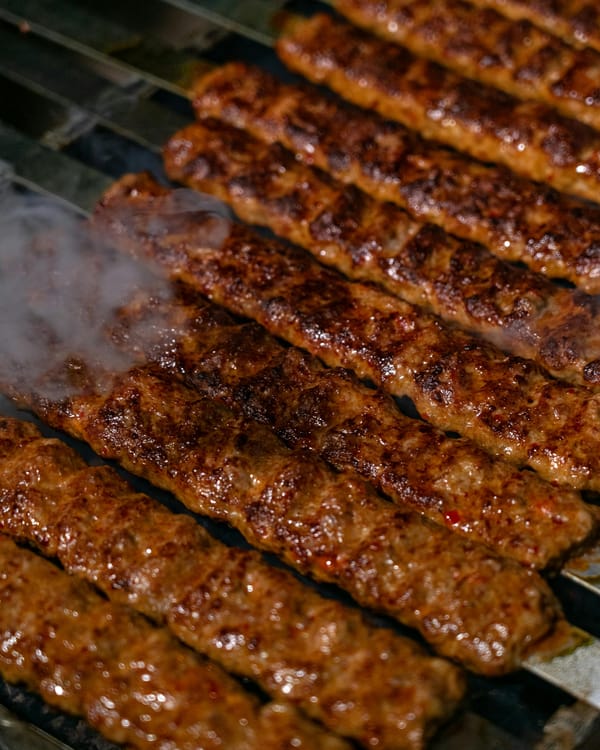
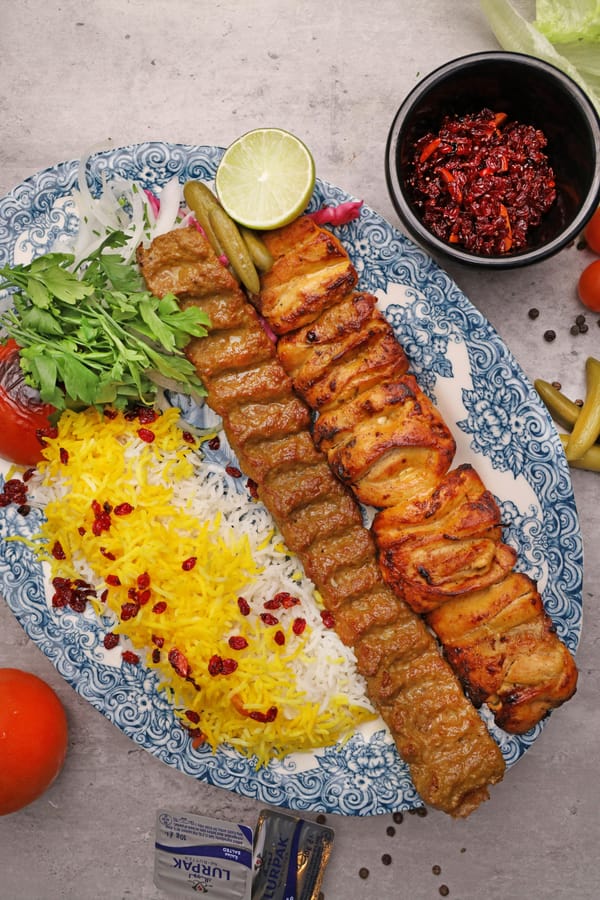
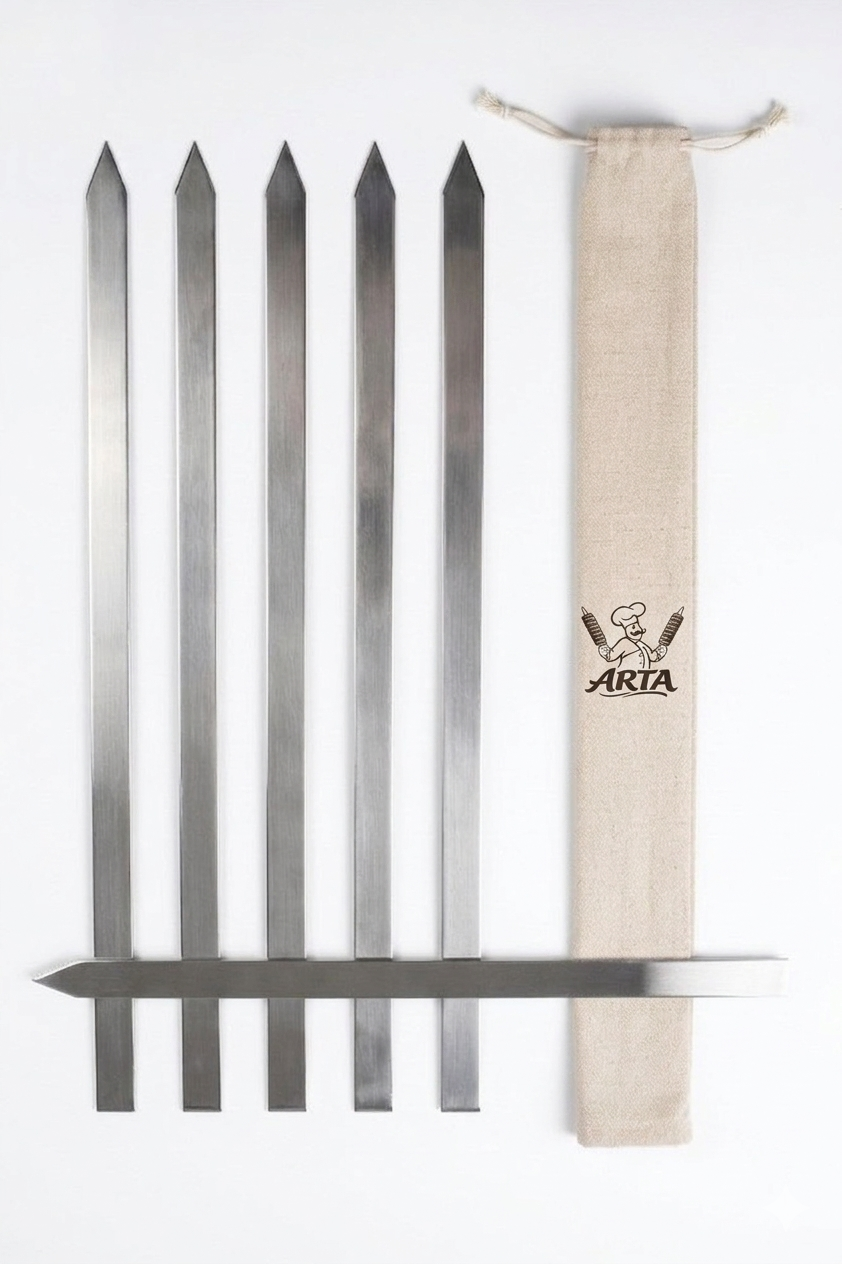
The Arta Koubideh Skewer Set: True 1-inch wide flat steel, the spec that's been right for centuries. 23 inches long, sized for home grills. 204 stainless. Walnut handles, riveted in, with the ARTA logo burned in. A waxed canvas roll-up bag instead of the nylon pouch every competitor uses. Bundled with a bilingual koubideh recipe card and a QR code to a video.
The price is mid-market: premium enough to signal it's actually well-made, accessible enough that it's not just an LA-specialty-store luxury.
What's next
The skewers are step one. The Persian kitchen has so many things we wished we could buy in America with confidence:
- Haft-Sin Nowruz kit — a curated set of the seven traditional symbolic items for the Persian New Year table, designed and packaged for the diaspora gift market. Coming this winter.
- Hand-carved mortar & pestle — the right size and weight for grinding saffron, spices, and walnuts for fesenjan.
- Persian tea-making set — properly sized samovar-style with kettle on top, designed for an American stovetop.
- And more. The kitchen we wished existed.
And this site
artakitchen.com isn't just a storefront — it's where we publish the recipes we make at home. Koubideh, jujeh, ghormeh sabzi, fesenjan, sabzi polo, tahdig. Family stories. Founder updates. Nowruz traditions.
If you grew up eating Persian food and never wrote down the recipes, we're writing them down for you.
If you didn't grow up eating Persian food and want to start, this is a good place to begin.
Thank you
For reading this. For trying our skewers. For sharing Persian food with the people in your life.
Welcome to Arta.
— The Arta Kitchen family